


A new way to find community
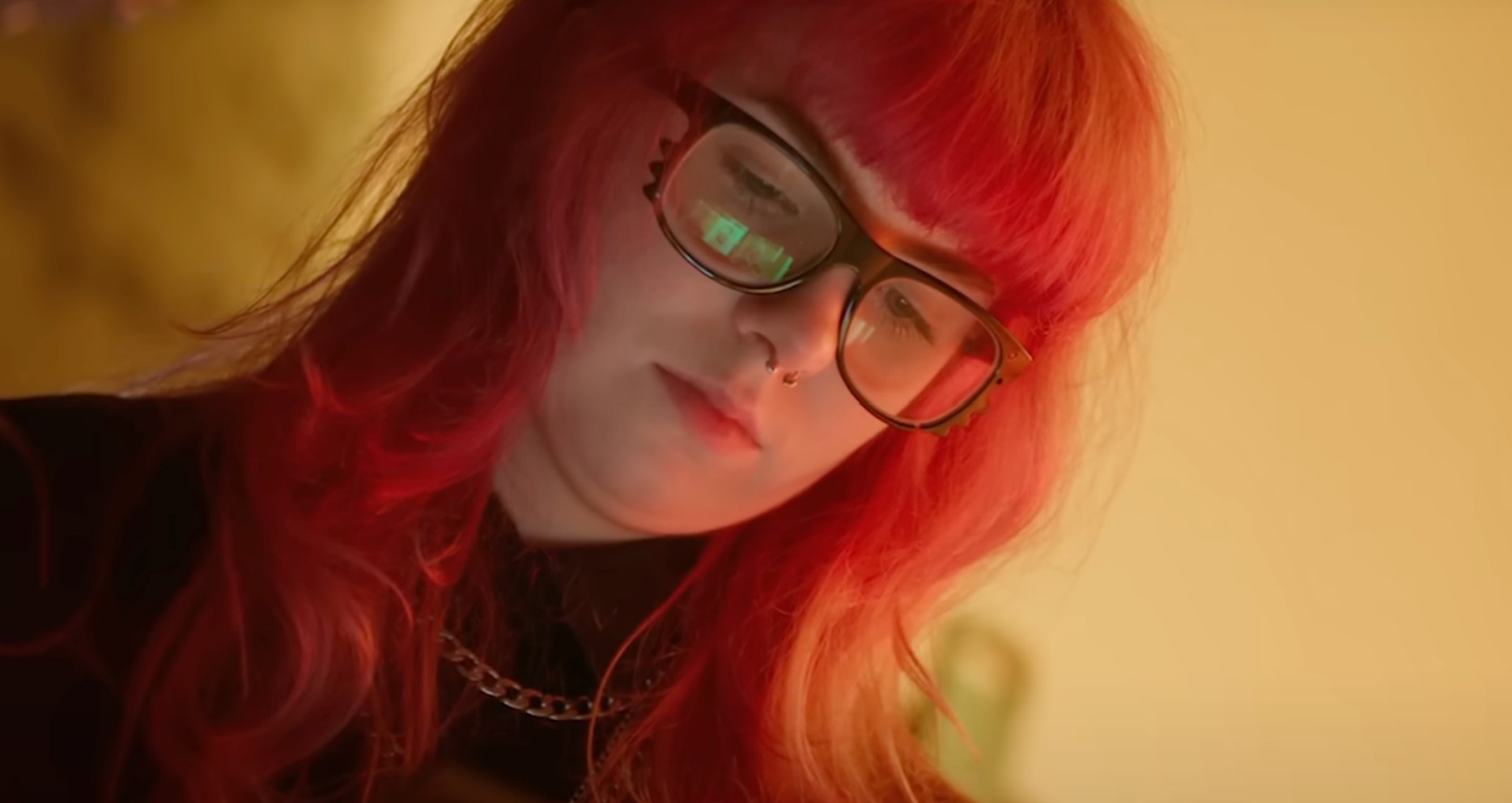
Abera is one of the two-thirds of Gen Z who say they are creators and are either following a creative career path or have a plan to. (See how GenZ is rewriting the rules of what it means to be creative.) And many are charting a new path defined by authentic self-expression discovered via online communities. According to recent research by OnePoll performed on behalf of Lenovo, 49% of Gen Zs say it’s easier to express themselves online than offline. “Online spaces can feel safer because they offer control over self-presentation and connection with people who ‘get’ them,” says Sabrina Romanoff, a clinical psychologist in New York City with experience working with Gen-Zers. This is the first generation to grow up with a fully digital self. While millennials may use social media and other platforms to connect and to catch up with friends, Gen Z, creatives especially, are finding community, building careers, and expressing their true selves. For Gen Z, the online self isn’t separate, it’s an extension of one’s core identity.
“They’ve grown up curating, communicating, and even experimenting with identity in public digital spaces,” Romanoff says, “The boundary between online and offline is more fluid than in past generations.”
Using online spaces to be themselves
This fluidity shows up in the way Oscar Jackson-Walsh, 22, a creator from the United Kingdom who uses they/them pronouns, built a digital persona as a means for connection, but also for exploring a side of themselves that could exist more comfortably online than in nondigital spaces. They create and photograph whimsical looks under the handle @spiderinmybath, drawing on influences including horror films, anime, and Japanese fashion magazines. Spider is playful, bold, and incredibly pink.
Last year, Oscar partnered with Lenovo in a unique program called Work For Humankind: Meet Your Digital Self, which helped them create a large-scale, interactive, AI-powered avatar of Spider using data from their social accounts. Lenovo’s technology allowed Oscar’s grandmother to have a conversation with Spider that Oscar might not have had the courage to do on their own. “It’s definitely given me confidence,” Jackson-Walsh says.
A growing body of research shows that this generation genuinely is different from generations that came before it – especially in their emphasis on mental health and physical well-being. According to a recent study of 18-34 year olds by EY, a UK-based professional services organization, Gen-Z rates mental health and physical well-being as the most important measure of their future success, with 51 percent of survey respondents worldwide calling it the most important measure of their future success. While research has highlighted the negatives of social media for young people, Lauren Cook, a clinical psychologist who treats Gen Z patients and author of Generation Anxiety, says you can find a healthy community if you are intentional about it. “It can really help people feel less alone and isolated, especially if they have a niche interest or are struggling with something,” she says.
Julieann Tran, 28, who goes by @juliebearlol, grew up playing video games with her brothers. As a teen, she stayed up into the early hours of the morning playing League of Legends, often one of the only women in the “room.” Though nearly half of all gamers are women, gaming communities are not always welcoming and safe spaces. Over one third of women gamers say they have experienced sexual harassment from other gamers and studies have shown that 59% of women gamers hide their gender to avoid harassment, according to a study by Lenovo. To help find her own safe space, Tran connected with other women Twitch streamers on Instagram and TikTok. A group of them co-founded the Gaming League Of Women (GLOW) for women, femme-identifying, nonbinary and LGBTQIA+ gamers to support each other and build community.
Using digital tools and tech to seamlessly plan content, produce and edit videos, create graphics and more, Tran has created a robust following, partnering with a number of brands including Lenovo, and, with her co-founders, growing GLOW to nearly 1,800 members. (Tech companies are increasingly developing products and tools for these creators such as built-in AI tools and AI laptops that help work across multiple devices and work environments such as the Lenovo Yoga PC family.) Along with game nights and hosting a community on Discord, GLOW facilitates talks with other women who have built careers in gaming. Tran and the other GLOW co-founders have gone from online friends to IRL friends, and she wants to foster those friendships for other members, too.
Though their creative lives are very different, Tran, Abera, and Jackson are representative of a generation that has grown up without stark divisions between their online and offline selves.
Bringing online and real world selves together
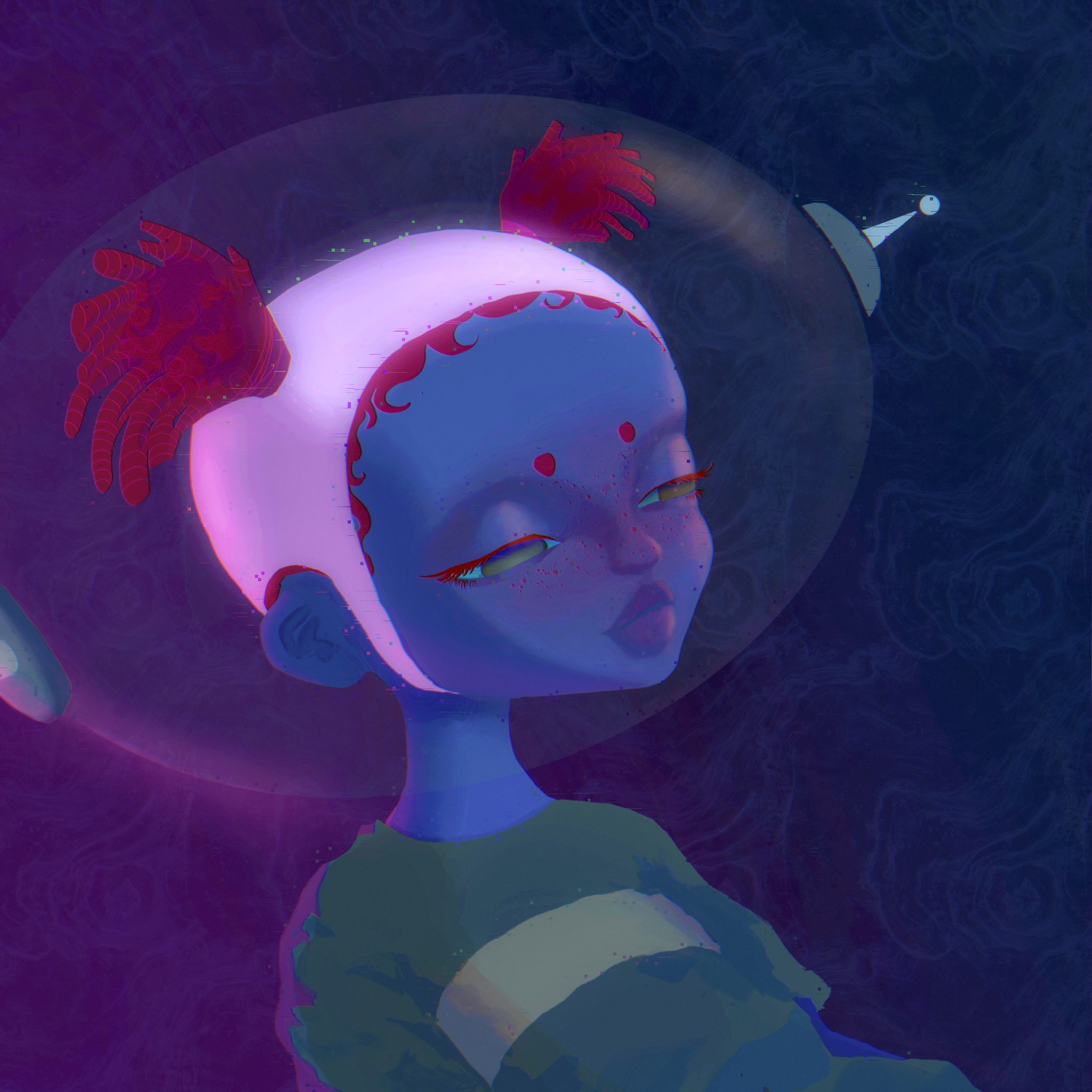
Abera is now working in an emerging field at the intersection of art and technology – one that gives her the freedom to create, but also satisfies her engineering instincts. “You can make so much with a computer,” she says, acknowledging the importance of having the right tech on hand; Abera used a Lenovo Yoga laptop for most of her art and creative work. “You can create software, make apps, make websites, and share ideas – with the least amount of resources, you can do the most kinds of work.”
Romanoff, the psychologist, says that there are lessons for others in incorporating their online selves into their offline lives. “If you can embody confidence or creativity online, start translating pieces of that into real-world choices whether it’s how you dress, speak, or show up in new spaces,” she says. “It’s about bringing the courage from the screen into your daily routine.”
Tran says you might be surprised by the benefits of putting yourself out there. Her advice? Start small. “Share your work with one person you trust. Go to one event. Take one conversation offline,” she says. By taking these steps, Tran and others in her generation are coming closer and closer to merging their digital lives with the real world.
“That’s how you start building your own little corner of the world, one where your online spark can actually light up the room in front of you.”